How preventive health, advanced diagnostics, and wellness are creating a new kind of medical travel
Medical tourism has traditionally meant traveling somewhere for a specific procedure — dental work, surgery, a treatment that might be more accessible or affordable outside a patient’s home country. But a different kind of medical travel is emerging. Instead of waiting until something needs to be treated, some people are now traveling to take a closer look at their health while they are still relatively well. They want to understand their metabolic health, cardiovascular fitness, hormones, sleep, or the other factors tied to healthy aging. This is where longevity medicine and medical wellness begin to overlap with medical tourism, and Puerto Vallarta is becoming an interesting destination for that combination.
Why travel for health?
There is a practical reason. Most people have very little time to devote to preventive health. A regular workweek leaves little room for a comprehensive medical assessment, exercise testing, a nutrition consultation, or a serious review of lifestyle habits. Travel changes that equation. A person can set aside several days specifically for their health, and instead of fitting a blood test into a lunch break and trying to remember the doctor’s recommendations six months later, a medical wellness program can bring consultation, testing, education, rest, and follow-up planning together in one concentrated experience. There is also a quieter, psychological difference. Leaving your usual environment can make it easier to notice the habits that are hard to see when they are part of everyday life.
Is medical tourism in Mexico safe?
Safety depends on the provider, facility, procedure, and circumstances — not simply the country where care takes place. Travelers should investigate the qualifications of physicians, the facility where care is provided, infection-control procedures, emergency arrangements, and plans for follow-up care. The CDC notes that healthcare quality, training, protocols, and standards can vary between countries and individual providers, and recommends that people considering medical care abroad understand the potential risks and make appropriate plans for care after returning home (CDC — Medical Tourism and Healthcare Abroad). It helps to bring relevant medical records and to disclose medications, allergies, and existing conditions, and for more complex procedures it is worth discussing the plan with a healthcare professional at home before traveling. The goal is not to assume that care outside your home country is unsafe. It is to apply the same scrutiny you would use when choosing a medical provider anywhere.
Why Puerto Vallarta?
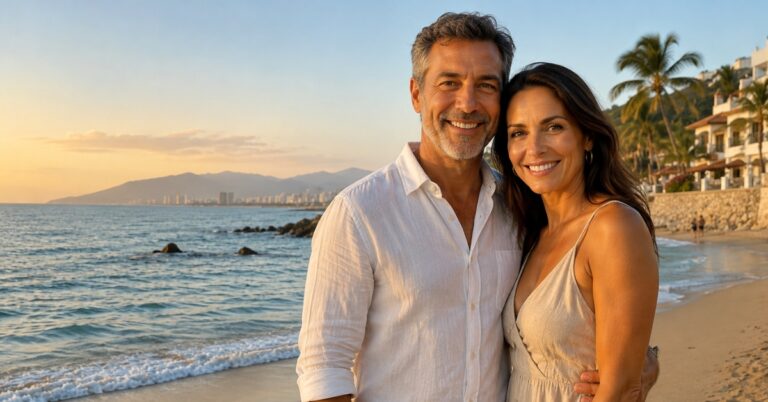
Puerto Vallarta has a combination that makes it particularly well suited to medical wellness travel. The city has an established international tourism infrastructure, including accommodations, transportation, restaurants, private healthcare, and an international airport serving major markets in Mexico, the United States, and Canada. The official Puerto Vallarta tourism authority actively promotes the region for medical tourism, highlighting its healthcare services and accessibility (Puerto Vallarta Medical Tourism). Mexico has also been developing medical tourism as part of its broader tourism strategy, with Jalisco recognized as one of the country’s regions with an established medical-tourism presence (OECD — Tourism Policy Review of Mexico). But the destination offers something beyond convenience. The Bay of Banderas, the Pacific coastline, and the surrounding mountains create room for walking, outdoor activity, quiet time, and recovery between appointments. A medical assessment does not have to consume an entire day. A guest might complete laboratory testing in the morning and spend the afternoon walking along Playa Palmares. Another day might pair a consultation with time near the water in Conchas Chinas, or an excursion toward Yelapa for a completely different pace from the city. The setting does not make a treatment more effective, but it makes it easier to build the conditions that support healthier habits: good sleep, nutritious food, movement, time outdoors, and fewer everyday distractions.
A medical vacation, or a longevity retreat?
This may be the most important distinction. Traditional medical tourism is usually built around a procedure: travel, receive treatment, recover, return home. Longevity-oriented medical travel looks more like a sequence of understanding — assess, personalize, treat when appropriate, and leave with a plan and follow-up support. The second model is less about a single procedure and more about building a health strategy. That does not mean every traveler needs extensive testing or multiple therapies; the useful question is always whether a given assessment or treatment answers a meaningful question or contributes to a reasonable plan.
Longevity care in Puerto Vallarta
This is the model offered through Vallarta Vitality‘s medical wellness retreats. Rather than treating the retreat as a fixed collection of procedures, the programs combine medical consultation, diagnostics, nutrition, restorative practices, and individualized therapies, with services chosen according to the retreat level and the person’s needs. The setting is intentionally part of the experience, with private oceanfront accommodations, chef-prepared meals, breathwork, meditation, and time to rest and absorb what the program uncovers.
That approach reflects the larger shift happening in medical travel. The destination is no longer necessarily the reason for the trip. It becomes the environment in which a person can step away from ordinary life, gather better information about their health, work with medical professionals, and begin making changes that continue after they return home. For travelers interested in longevity, that may be the next evolution of medical tourism: not simply traveling to receive healthcare, but traveling to make health itself the focus of the journey.
Julia WorralFounder and Nurse Navigator / Vallarta Vitality
Julia Worrall, RN, CCRN is a leading voice in sleep, neurological wellness, and whole-person health at Vallarta Vitality Longevity Center. As an international speaker, educator, podcast guest, and health strategist, she helps clients understand the deeper connections between sleep, energy, pain, cognition, stress, and recovery.


 Julia WorralAugust 31, 20260