No products in the cart.

There are moments in travel that catch you completely off guard. You’re not expecting anything extraordinary — maybe you’re just on a boat, salt air in your face, squinting against the morning sun — and then something appears on the horizon that makes your chest tighten in the best possible way. That’s what Los Arcos de Mismaloya did to me. And I haven’t stopped thinking about it since.
Ancient, Patient, and Magnificent
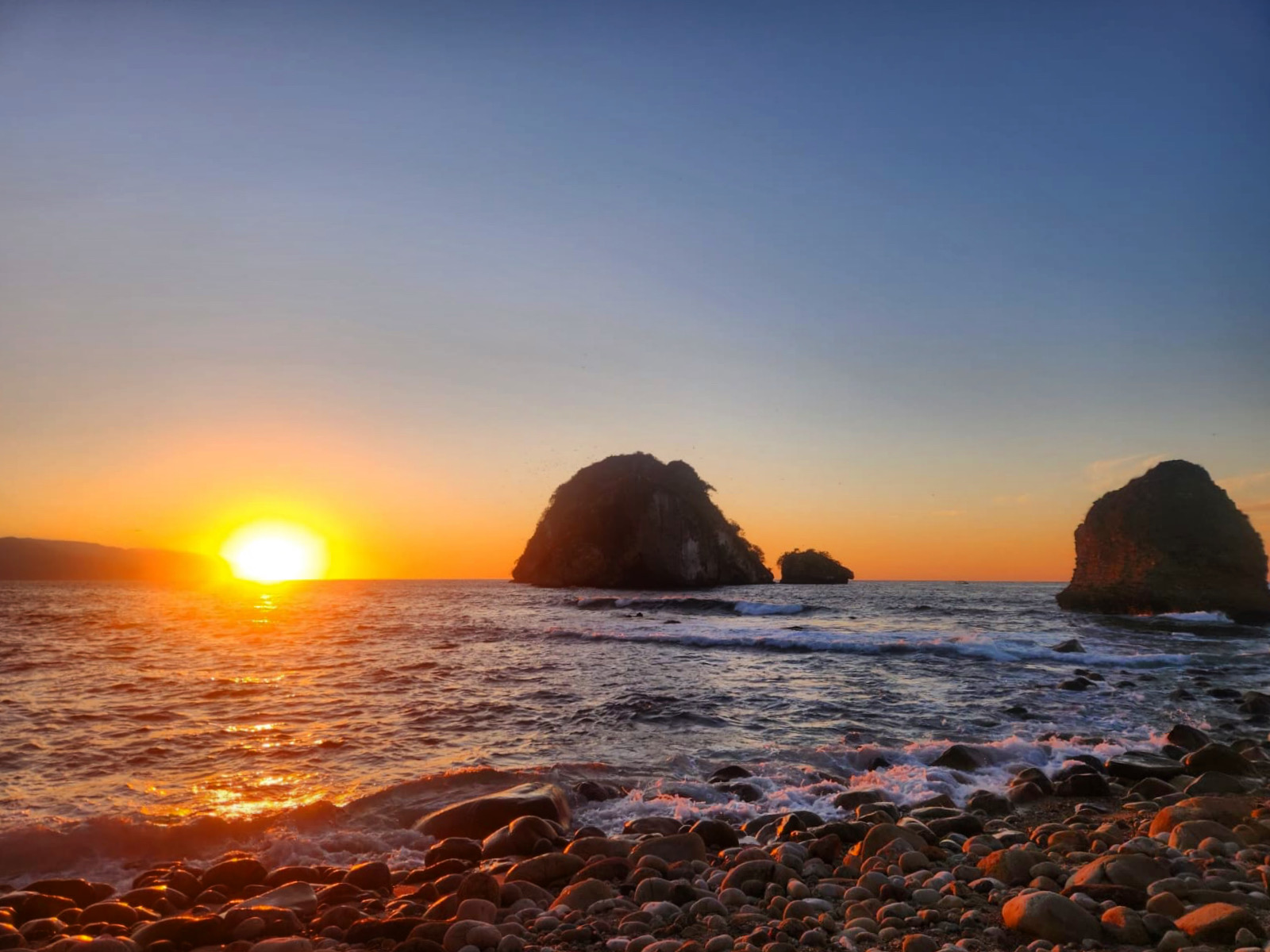
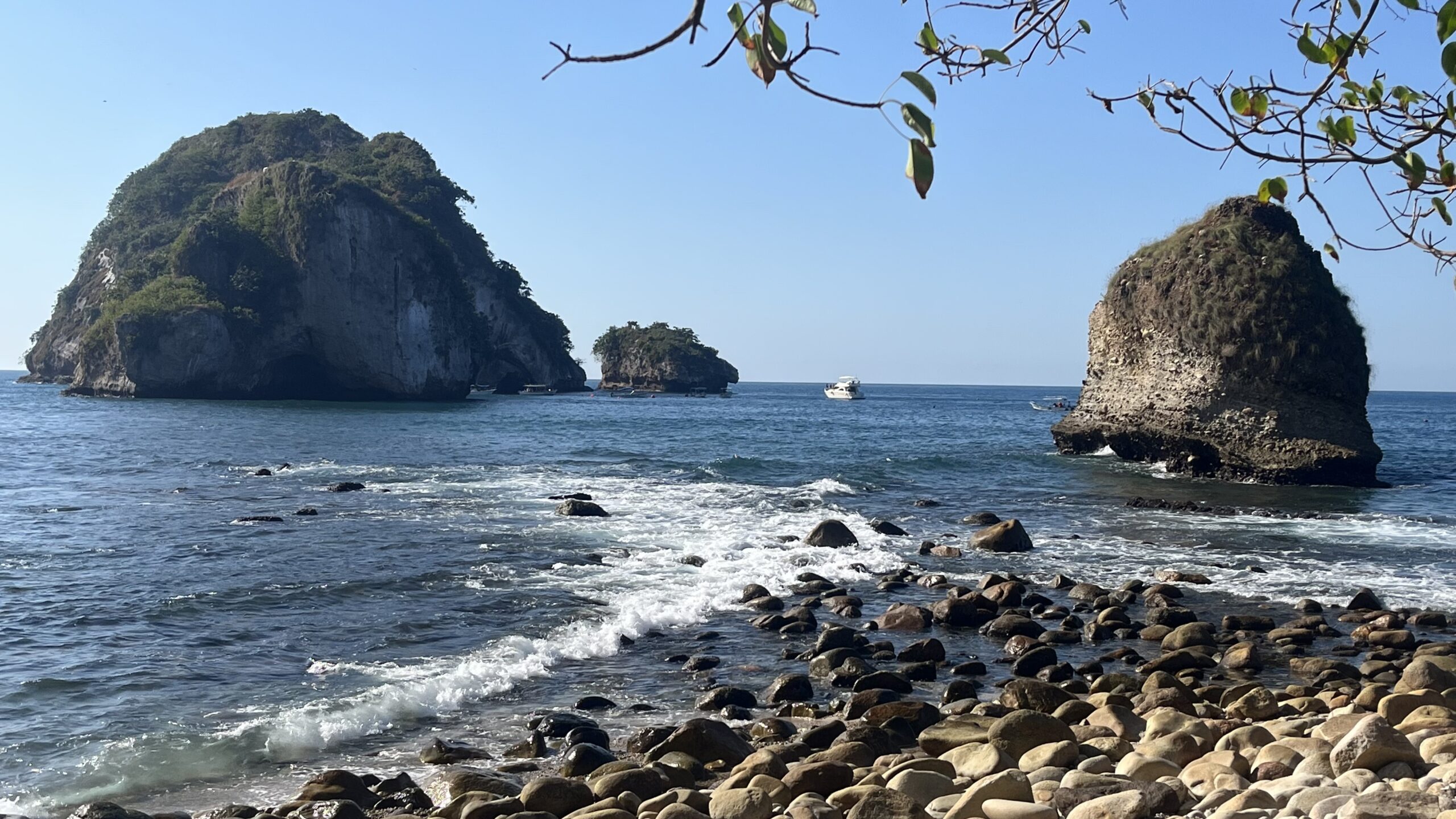
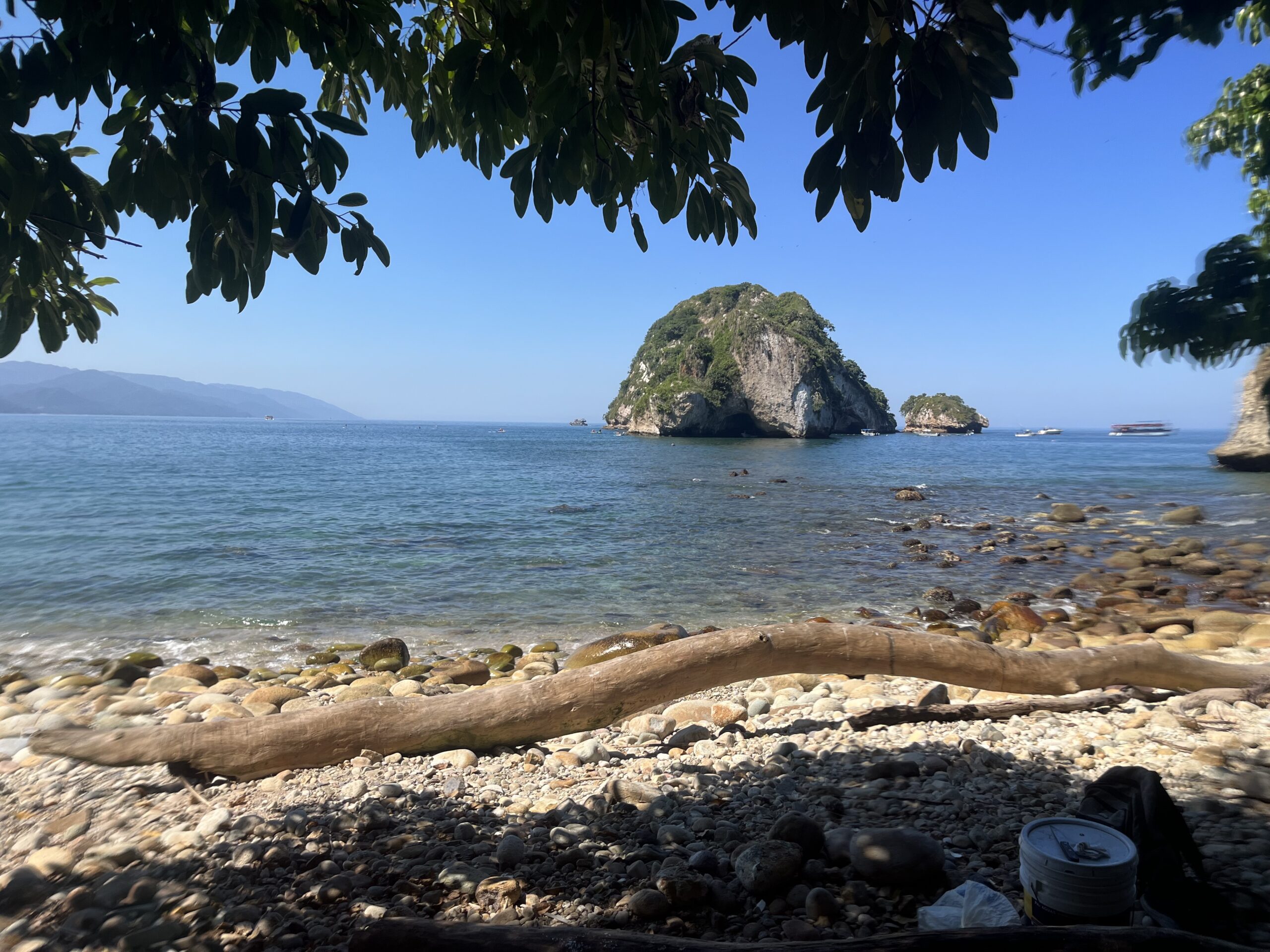
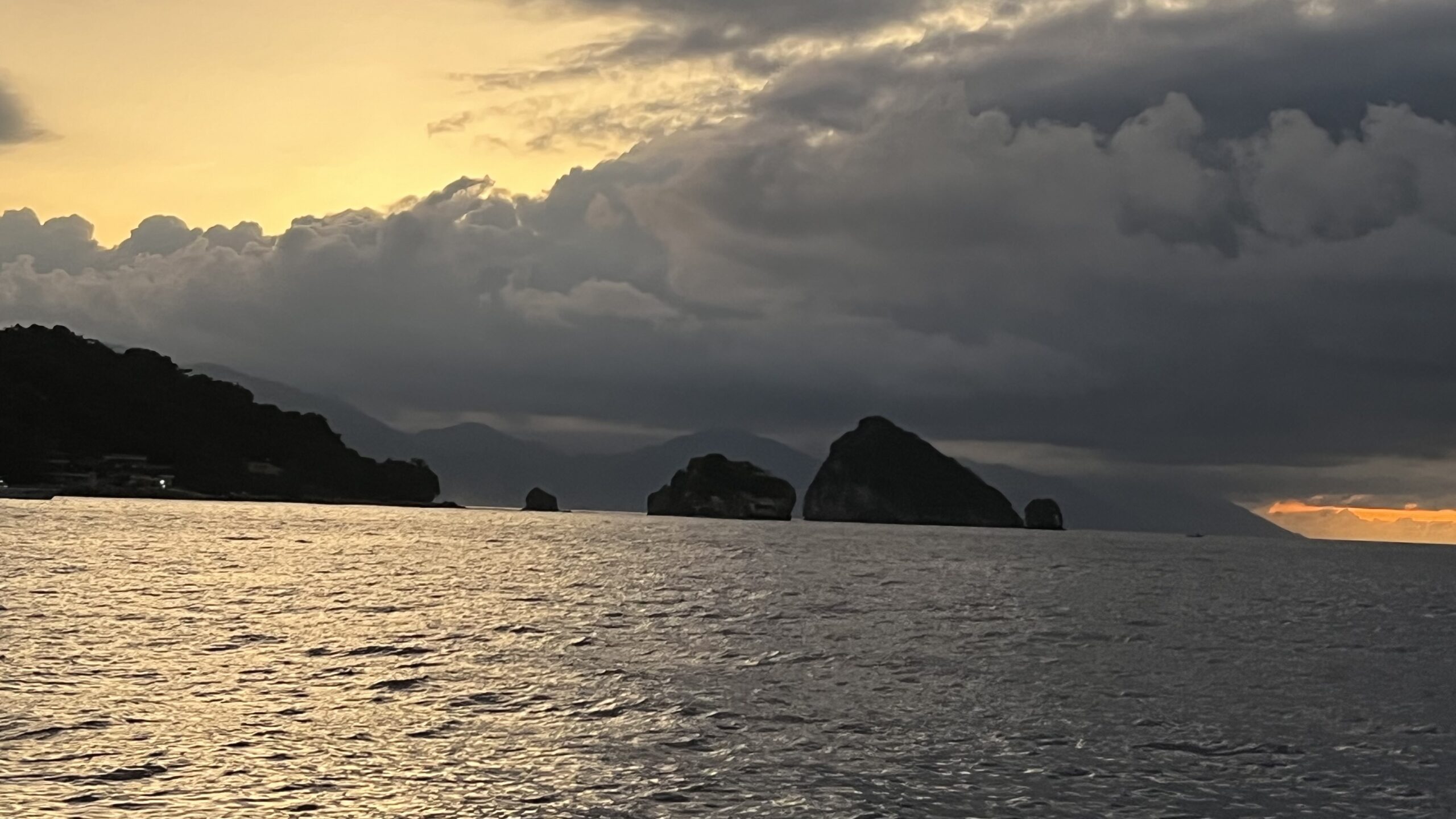
Several thousand years ago, Los Arcos didn’t exist as we see them today. They were part of the mountain range running along the coast — solid granite, immovable, permanent. But the ocean had other plans. Wave after wave, century after century, the sea slowly carved them away until what remained were these five breathtaking rocky islets, standing like sentinels in the Pacific. There is something deeply moving about that story. These rocks are the result of thousands of years of patience and persistence — nature doing what it does best, on its own timeline, answering to no one.
The three largest carry names that feel almost like characters in a story: Roca de Los Arcos, Roca de la Tortuga — Turtle Rock — and Roca del Diablo, Devil’s Rock, named for a shadowy outline on the cliff face that locals swear looks like the devil himself. I stared at that shadow for a long time. I think I see it. I’m still not sure.
Loved Enough to Protect
What I find genuinely beautiful — beyond the obvious physical spectacle — is that people recognized how precious this place was and fought to keep it that way. In 1975, Los Arcos was declared a Zone of Refuge for the Protection of Marine Life. By 1984 it had been reclassified as a National Marine Park — and that decision changed everything. No fishing. No hunting. Decades of protection that allowed the ecosystem to breathe, recover, and flourish into what it is today. Every time I visit a place like this, I feel grateful to the people who said: this matters, and we are going to take care of it.
The waters here are among the deepest in the entire Bay of Banderas, plunging somewhere between 30 and 1,600 feet. Inside each rock formation, naturally formed tunnels rise to about 25 meters in height — and standing at their edge, listening to the ocean thunder through them, is one of the most humbling sounds I have ever heard.
What Lives Below
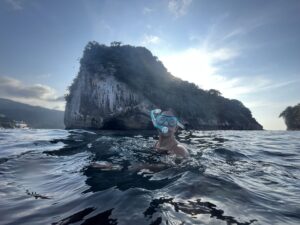
I am not a particularly confident swimmer. I’ll be honest about that. But something about the water at Los Arcos made me want to be braver. Maybe it was the color — that impossible blue-green that doesn’t look real until you’re floating in it. It all gave me a sudden urge to “just put your face in and look.” So I did.
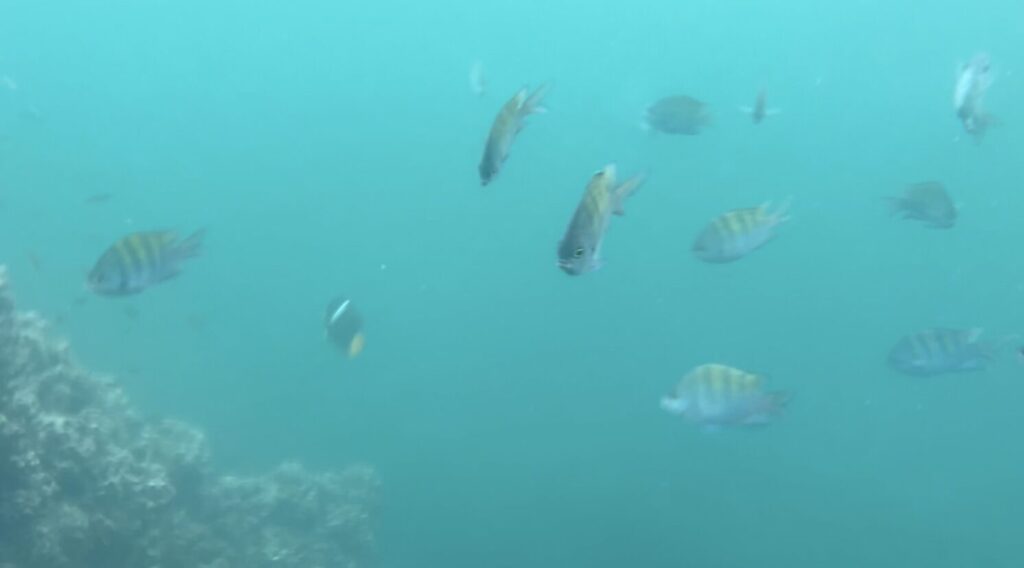
 What I found below the surface was a world I wasn’t prepared for — tropical fish in colors I don’t have names for, eels tucked into the reef, eagle rays gliding silently through the deep. I came up for air laughing. That kind of laugh that happens when something is so beautiful it short-circuits your ability to respond normally.
Above the water, the rocks shelter colonies of seabirds — pelicans, parrots, boobies — going about their lives on ledges carved by the same ocean that shaped the arches below. The whole place feels alive in a way that very few places do anymore.
The Moment That Stopped Time
But nothing — nothing — prepared me for what happened on my paddleboard.
I was out on the water, moving slowly, taking it all in. The arches were behind me, the Pacific stretching out ahead, the kind of quiet that only exists far from shore. And we saw them in the distance jumping: whales!!! As I paddled towards them, not realizing they were also coming in my direction much faster than expected… I felt it before I saw it — a shift beneath me, a presence so vast and unhurried that my body registered it before my mind did. I looked down into the water and there they were. Whales. Swimming slowly, peacefully, directly below my board.
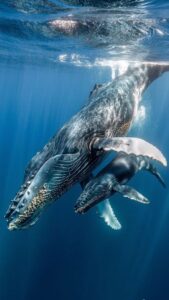 I have no adequate words for what happened to me in that moment. Every emotion I had rose up at once and then somehow cancelled each other out, leaving me in a state I had never been in before and haven’t been in since. I didn’t cry. I didn’t laugh. I couldn’t speak or move or think. I simply vibrated — that is the only word for it — in a kind of awe so total it felt almost sacred. It was like being in the presence of something ancient and wise and utterly indifferent to the smallness of me, and yet there we were, sharing the same water, the same moment, the same patch of ocean on the same afternoon.
If I had to describe it, I would say it felt like an encounter with a grandmother of the earth. Something that had been here long before me, that understood this ocean in ways I never will, that carried a kind of quiet authority in its movements that made everything else fall away. My heart raced. My whole body was electric. And yet I was completely still, completely silent, not wanting to disturb even a single second of it.
That encounter changed something in me. I’m not sure exactly what or how, only that I came off that paddleboard a slightly different person than I was when I got on it.
Getting There Is Part of the Story
Los Arcos sits just 15 minutes by car from El Centro and about 10 minutes by boat from Mismaloya beach. You can hop on a local orange bus from Basilio Badillo in downtown Puerto Vallarta for less than a dollar and ride all the way to Mismaloya, watching the jungle and the coastline roll by the window. It’s not glamorous. It’s perfect.
From Mismaloya, local fishermen and boat operators will take you out to the arches. There’s something wonderful about that — no enormous tourist vessel, no loudspeaker narration. Just a small boat, a knowledgeable local, and the open water. That’s the way to do it.
What It Gave Me
I think what stays with me most about Los Arcos de Mismaloya isn’t any single moment — not the tunnels, not the bioluminescence, not even the whales, though all of those live permanently somewhere deep in my chest. It’s the feeling the place gave me. Small, in the best sense. Reminded that the world is older and wilder and more generous than I usually remember.
Puerto Vallarta is many things — a city of incredible food, warm people, cobblestone streets and colorful buildings. But Los Arcos de Mismaloya is its soul. It’s the thing that was here before any of it, that will be here long after, shaped by the same patient ocean that has been working on it for thousands of years. The same ocean that carries whales beneath paddleboards on quiet afternoons, as if to remind you — gently, without fanfare — that you are a guest here, and what a privilege it is.
Go. Put your face in the water. Let it change you a little.