No products in the cart.

Top Herbs That Actually work
To Lower or Regulate Cortisol. herbs and
medicinal plants have solid evidence for helping regulate stress hormones
and the body’s stress response.
- Ashwagandha (Withania somnifera)
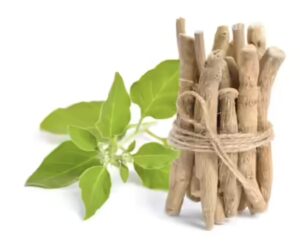
- Herb that helps your body normalize cortisol — not just suppressit, butbring it to balance.
- Evidence: Multiple human studies show reduced cortisol (sometimes
25–30%), improved sleep, less anxiety. - Best dose: 300–600 mg per day.
- Caution: Avoid with hyperthyroidism or certain medications.
- Cinnamon (Cinnamon Cassia/ Cinnamomum zeylanicum)
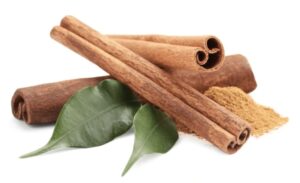
- Cinnamon and sea foam salt Teas benefits includeaiding blood sugar control and heart health, due to its antioxidants and anti-inflammatory properties that can lower blood pressure, bad cholesterol, and triglycerides.
It may also support metabolism and weight loss, soothe digestion, and boost
the immune system - How to use: Using Cinnamon tea or tincture and half a
teaspoon of Sea foam salt once a week can lower cortisol levels
- Cinnamon and sea foam salt Teas benefits includeaiding blood sugar control and heart health, due to its antioxidants and anti-inflammatory properties that can lower blood pressure, bad cholesterol, and triglycerides.
- Holy Basil / Tulsi (Ocimum sanctum)
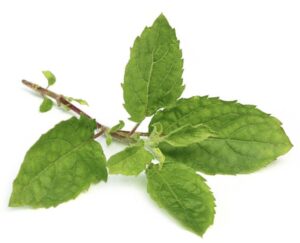
- Herb that calms the nervous system, stabilizes mood, and helps moderate cortisol.
- Evidence: Shown to reduce anxiety, blood sugar, and cortisol in chronic stress.
- How to use: Tea or extract (300–500 mg/day). Great as a daily tonic herb.
- Licorice Root (Glycyrrhiza glabra)
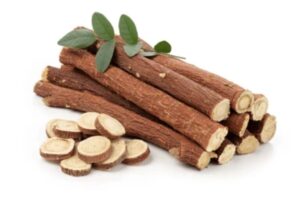
- Herb that Helps maintain cortisol levels if they’re too low from adrenal fatigue.
- Caution: Can raise blood
pressure and sodium retention. Only use short-term and under guidance.
- Ginseng (Asian Panax or American Panax quinquefolius)
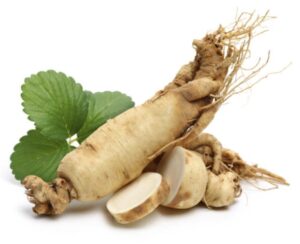
- Herb that normalizes HPA-axis activity (your stress-response system) and
supports energy without spiking cortisol. - Dose: 200–400 mg/day standardized extract.
- Note: Avoid taking late in the day — it can be stimulating.
- Herb that normalizes HPA-axis activity (your stress-response system) and
- Lemon Balm (Melissa officinalis)
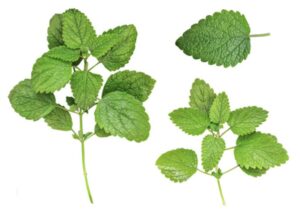
- Herb that which is a Mild sedativeand anxio
lytic; helps calm the mind and
promote sleep, indirectly lowering cortisol. - Form: Tea or tincture (300–600 mg extract).
- Combines well with: Chamomile or passionflower.
- Herb that which is a Mild sedativeand anxio
- Reishi Mushroom/Lingshi (Ganoderma lucidum)
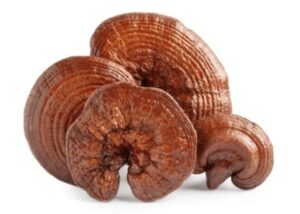
- Herb that that Modulates immune and stress response; adaptogenic and anti-inflammatory. Helps regulate cortisol patterns, improves sleep, and supports adrenal balance.
- Dosis: Tincture Extract or powder (1–3 g/day)
- Passion Flower
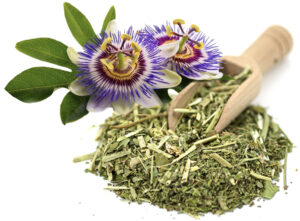
- A plant that grows wild in the southern parts of South America. It is a calming agent shown to reduce cortisol levels. Recommended to drink passion flower in tea or as a tincture.
Soothing, Synergistic Teas
For daily use, you can blend: Tulsi + Lemon Balm + Chamomile + Reishi — great for evening wind-down and cortisol reduction before sleep.
Avoid
- Too much caffeine: It directly spikes cortisol.
- “Miracle” blends claiming instant stress relief: Most are just overpriced
combinations of the herbs above.
Bottom Line: Adaptogens like ashwagandha, and holy basil have the strongest evidence for regulating cortisol. Calming herbs like lemon balm and reishi support the relaxation side.
Combine them with proper sleep, diet, and recovery, or you’re just putting a band-aid on chronic stress.
Daily herbal protocol (morning, afternoon, evening) for managing cortisol naturally — including timing and combinations? Straightforward, effective daily herbal protocol to help normalize cortisol and build stress resilience. This it’s based on evidence from adaptogenic research and real-world physiology.